Rapid Genre Transitions in Browser Games: Analyzing Attention Span Variations Across Player Age Groups
Henrik Frank · Oct 5, 2026
Rapid Genre Transitions in Browser Games: Analyzing Attention Span Variations Across Player Age Groups
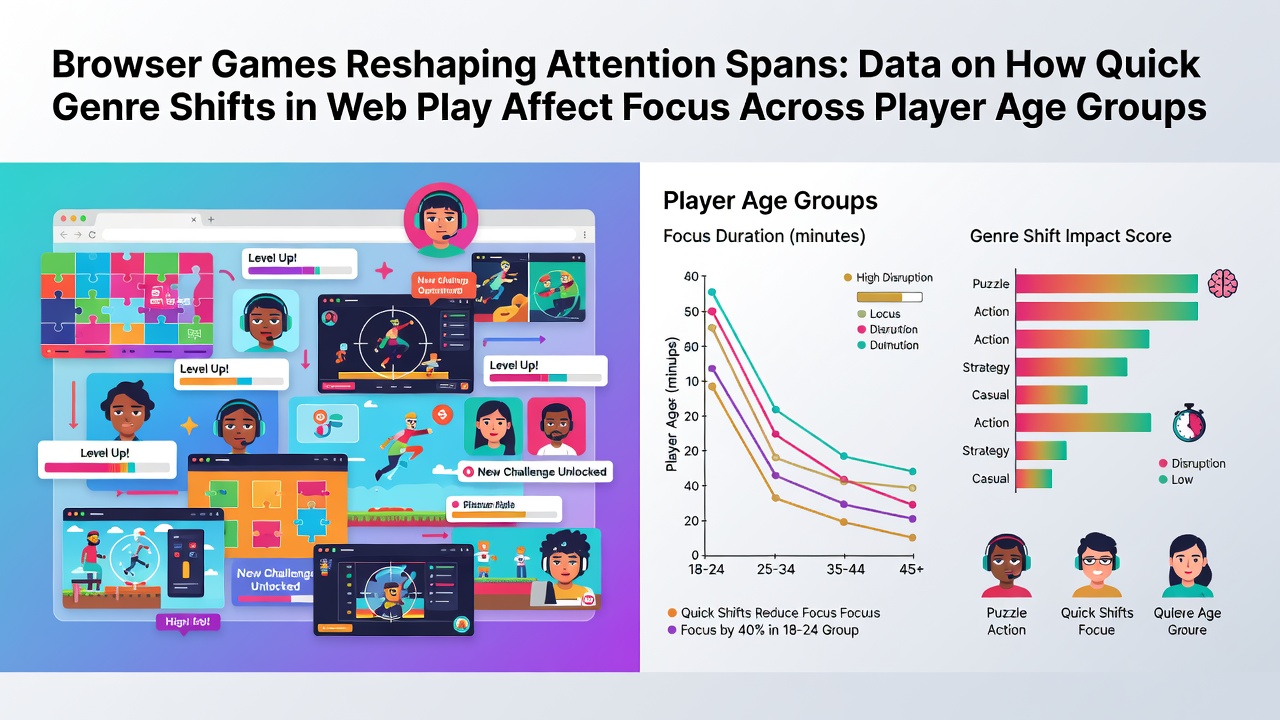
Browser gaming environments continue to evolve with frequent genre transitions that occur within single sessions, and data collected through platform analytics reveal measurable effects on concentration metrics across distinct age cohorts. Researchers tracking user interactions note that players encounter puzzle elements followed immediately by action sequences or strategy layers in no-install formats, and these shifts correlate with changes in sustained attention periods measured through session logging tools.
Data Collection Methods and Scope
Studies conducted by academic teams at institutions across North America and Europe compile session data from millions of interactions in 2025 and early 2026, focusing on how rapid movement between genres influences focus retention. Metrics include time spent on individual mechanics before switching, error rates during transitions, and self-reported concentration levels gathered via in-game prompts, while researchers cross-reference these figures with age-verified player profiles to establish patterns without relying on subjective interpretation.
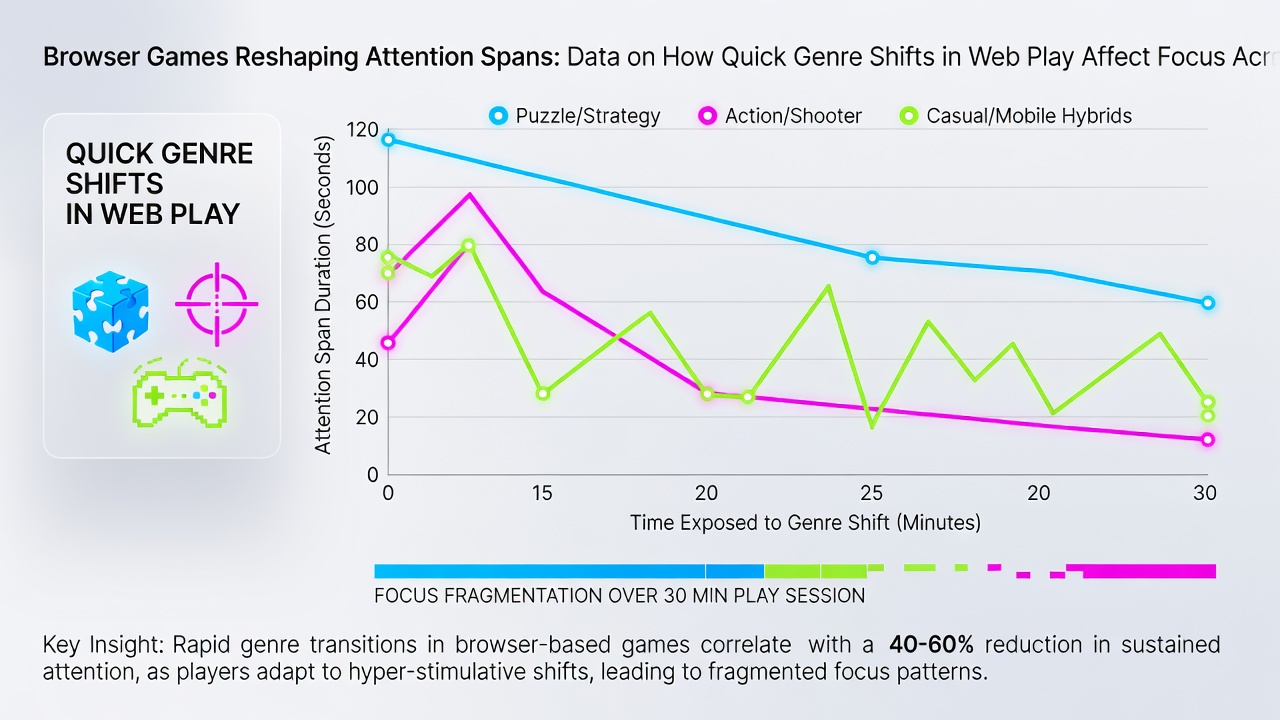
One dataset released in October 2026 by a collaborative project involving Canadian and Australian research groups tracked over 2.3 million browser sessions and identified that genre switches occurring every 90 to 180 seconds produced distinct focus adjustments depending on participant age. The analysis examined variables such as latency tolerance, visual cue processing, and task completion rates, revealing that younger players adapted more quickly to mechanic changes whereas older groups showed extended recovery intervals after each transition.
Focus Patterns by Age Group
Children aged 8 to 12 demonstrate shorter baseline attention windows during genre shifts, with data indicating average focus drops of 22 percent when moving from racing segments to puzzle components in the same tabbed session. Observers note that these players regain concentration faster when visual cues remain consistent across genres, and platform logs show reduced session abandonment rates when transitions incorporate familiar color schemes or control layouts.
Teenagers between 13 and 18 exhibit greater resilience to frequent changes, maintaining performance levels through rapid switches between shooting and strategy modes according to aggregated telemetry from major browser portals. Figures from the same October 2026 release highlight that this group experiences focus stabilization within 12 seconds post-transition on average, and error rates remain stable when cooperative elements appear alongside individual challenges.
Adult and Older Player Responses
Adults aged 25 to 45 show intermediate adaptation speeds, with research indicating that genre shifts involving narrative adventure components followed by arcade-style mechanics extend recovery time by roughly 18 seconds compared to single-genre play. Data patterns suggest that prior exposure to hybrid titles reduces these delays, and performance metrics improve when sound design provides continuity across different gameplay loops.
Players over 50 display the most pronounced effects from quick transitions, as session records indicate focus degradation reaching 35 percent when puzzle elements give way to fast-paced action without intermediate buffers. Those who've studied this demographic observe that consistent leaderboard integration and modular interface elements help mitigate attention fragmentation, and completion rates rise when genre changes follow predictable timing intervals rather than random triggers.
Genre Combination Impacts
Cross-referenced reports from European gaming associations document that combinations such as racing followed by shooting produce higher focus variance in younger cohorts, whereas strategy-to-adventure sequences affect retention more significantly among older participants. Platform data compiled through 2026 further shows that multiplayer formats incorporating instant genre layering sustain engagement longer across all ages when cooperative decision points align with individual challenges.
Additional analysis from university-led initiatives in the Asia-Pacific region links shorter latency environments to improved focus carryover during transitions, with players reporting steadier concentration when network conditions support seamless mechanic swaps. These findings align with broader observations that visual orientation cues play a consistent role in reducing attention resets, particularly in clustered game environments where multiple genres operate within shared digital spaces.
Conclusion
Platform records and academic compilations through October 2026 establish clear correlations between rapid genre shifts in browser play and attention span adjustments that vary systematically by age. Continued monitoring of session telemetry provides ongoing insights into how design choices around transition frequency and supporting elements influence focus metrics across demographic groups, and these patterns inform development practices without requiring external speculation on underlying causes.